
In the fast-paced world of Salesforce consulting, time is precious. Consultants often find themselves bogged down by routine tasks that, while essential, consume significant time and divert attention from strategic activities that drive client success.
Salesforce consultants frequently find themselves balancing the demands of managing routine tasks with the need to focus on high-value client initiatives. Essential activities like user setups, report generation, and data cleanups are critical for maintaining system integrity but often consume considerable time and resources. These repetitive tasks, while necessary, can detract from the more strategic work that drives client success and business growth. The challenge lies in efficiently managing these routine operations without compromising the ability to deliver on higher-level objectives.
Routine Salesforce tasks are essential for smooth operations but can lead to inefficiencies and higher labor costs, impeding overall productivity. One can spend countless hours manually updating user roles and permissions, spending time that can otherwise be used to complete higher level tasks on a critical client project.
So, how can consultants free up time for more impactful work without neglecting these essential tasks? By accelerating routine Salesforce tasks with AI tools, consultants can focus on high-value activities, enhancing their ability to deliver exceptional client results.
Time & Cost Savings
Accelerating routine tasks saves significant time, allowing consultants to focus on strategic initiatives. A reduction in time spent on repetitive tasks leads to lower labor costs and improved cost efficiency in managing Salesforce. Studies have shown that businesses adopting AI-driven solutions and automation, for example, experience a substantial reduction in the time needed for administrative tasks, with some reporting a decrease of 20-40%.
Error Reduction
AI-driven solutions can minimize human error in repetitive tasks, leading to more accurate data and processes, which enhances overall system reliability. By reducing the need for manual intervention, AI can enhance system reliability and ensure consistency in operations. Research indicates that automating routine tasks can also significantly lower error rates, making systems more dependable and efficient.
Increased Productivity
AI-driven tools can also boost productivity by enabling staff to accomplish more in less time, contributing to higher output and better performance metrics. Salesforce reports that even basic automation increases overall productivity by enabling employees to focus on high-impact tasks, leading to improved efficiency, and other reports show that organizations that leverage these types of tools can see substantial gains in productivity, with some studies highlighting up to a 50% improvement in administrative functions.
Best Practices for Accelerating Routine Salesforce Tasks
Incorporating workflow automation tools can significantly enhance operational efficiency by creating automated workflows for various tasks, reducing the need for manual intervention. Implementing automated workflows for common processes such as lead management, approval processes, and data updates ensures consistency and saves valuable time.
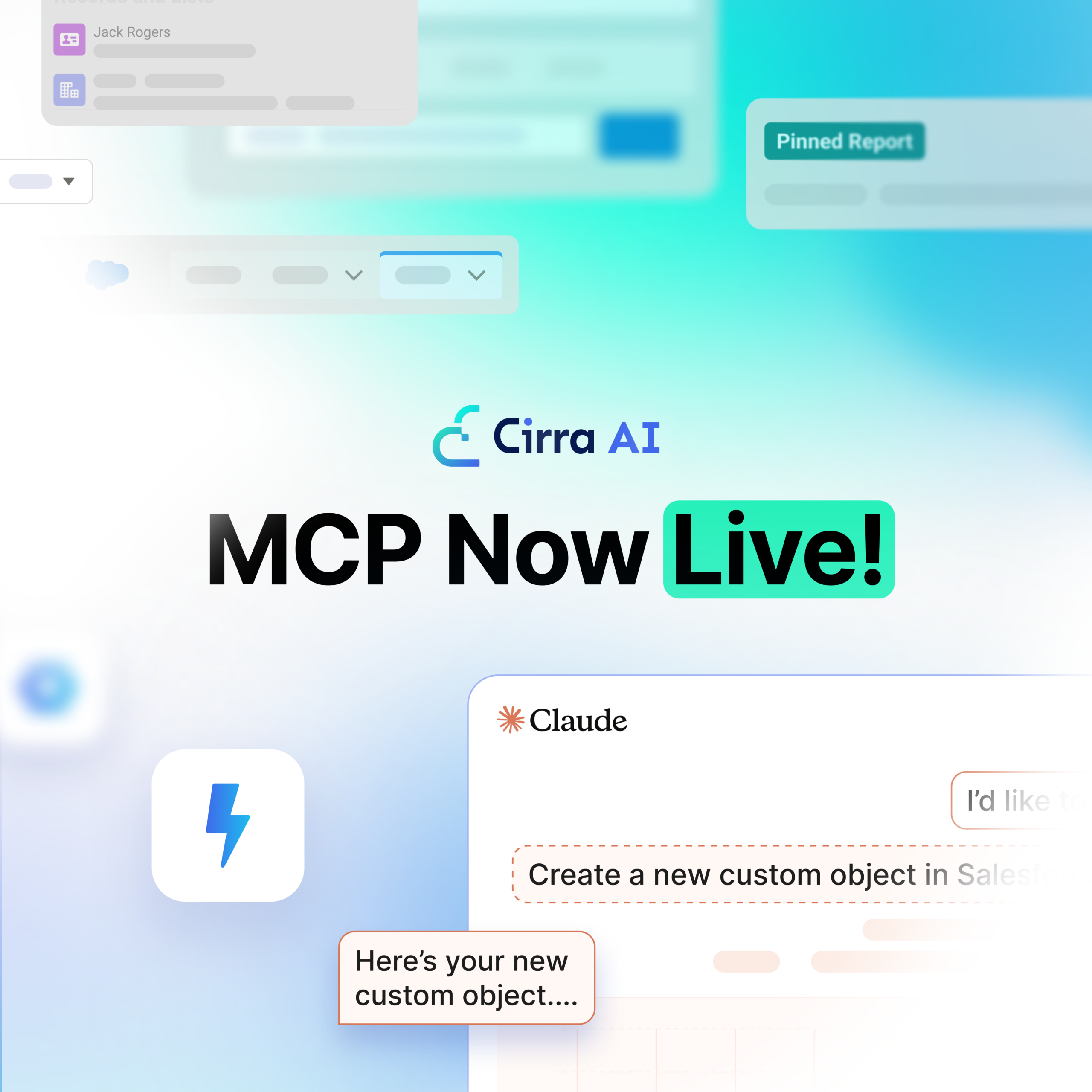
Additionally, AI-powered assistants like Cirra AI offer a comprehensive solution by accelerating routine configuration tasks, streamlining change management, and providing expert-level contextual guidance. By integrating AI assistants to handle repetitive tasks such as user setup, report generation, and data cleanup, staff can focus on strategic initiatives, ultimately enhancing productivity and reducing errors.
By embracing these solutions, Salesforce consulting practices can significantly enhance their efficiency, reduce costs, and improve overall productivity, ensuring they stay ahead in the competitive market.