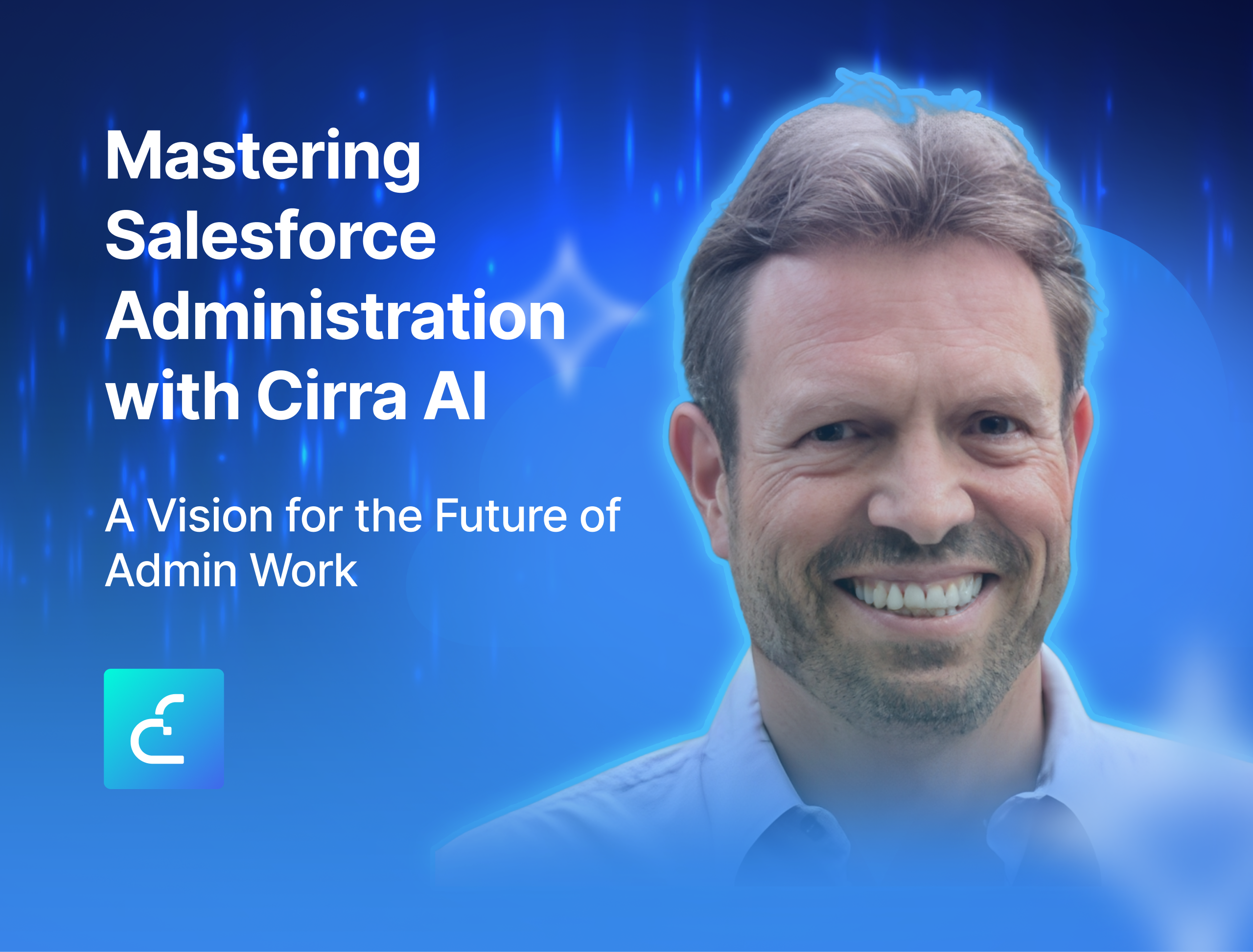

Salesforce has long been a leader in customer relationship management (CRM), providing businesses with tools to manage sales, service, marketing, and analytics. As artificial intelligence (AI) continues to advance, it is reshaping the way organizations use Salesforce, making it more efficient, predictive, and impactful. Here’s a look at how AI is influencing the future of Salesforce and what businesses can anticipate.
Enhanced Personalization at Scale
One of the biggest impacts of AI in Salesforce is its ability to deliver hyper-personalized customer experiences.
- Predictive Recommendations: AI-powered tools like Einstein, Salesforce’s AI assistant, analyze customer behavior to recommend products, services, or actions tailored to individual needs.
- Dynamic Content: Marketers can use AI to automatically create and adjust content based on real-time insights, ensuring that messaging resonates with different audiences.
- Segmentation Automation: AI simplifies the process of grouping customers into precise segments, saving time and boosting campaign effectiveness.
This level of personalization helps build stronger customer relationships while increasing the chances of conversion.
Smarter Sales Processes
AI is transforming how sales teams work within Salesforce, helping them close deals faster and with greater accuracy. Key advancements include:
- Lead Scoring: AI algorithms analyze vast amounts of data to rank leads based on their likelihood to convert, enabling sales reps to focus on high-priority opportunities.
- Sales Forecasting: AI-driven forecasts offer deeper insights into future revenue, helping businesses make informed decisions about resource allocation.
- Automated Tasks: From scheduling follow-ups to sending reminders, AI reduces the administrative burden on sales teams, giving them more time to engage with customers.
The result? More productive sales teams and improved revenue generation.
Revolutionizing Customer Service
In customer service, AI is enhancing responsiveness, efficiency, and satisfaction. Salesforce’s Service Cloud, augmented with AI, is already showcasing these advancements.
- Chatbots: AI-driven chatbots handle routine customer inquiries, such as order status or account updates, freeing up human agents for more complex issues.
- Sentiment Analysis: By analyzing the tone and language in customer communications, AI can gauge sentiment and route urgent cases to the appropriate support team.
- Case Prediction: AI predicts potential issues based on historical data, allowing companies to proactively address problems before they escalate.
These innovations not only streamline operations but also improve the overall customer experience.
Advanced Analytics and Insights
AI in Salesforce offers powerful analytical capabilities that go beyond traditional reporting. Businesses can now gain insights that were previously difficult or impossible to extract.
- Real-Time Analytics: AI processes vast data streams in real time, enabling businesses to act quickly on emerging trends.
- Actionable Insights: Tools like Tableau, integrated with AI, help users visualize complex datasets and identify key takeaways without requiring deep technical knowledge.
- Anomaly Detection: AI highlights unusual patterns in data, such as unexpected sales drops or spikes, allowing teams to address issues promptly.
Such insights are invaluable for strategic planning and day-to-day operations.
Integration with Other Tools and Systems
AI is making Salesforce more versatile by enhancing its integration capabilities with other tools and platforms.
- Third-Party Integrations: AI ensures smoother data flow between Salesforce and external systems, reducing duplication and improving accuracy.
- Cross-Platform Learning: By connecting to external data sources, AI can provide a more holistic view of customers and operations.
- Workflow Automation: AI-powered integrations help automate workflows across multiple platforms, reducing manual work and ensuring consistency.
These integrations improve efficiency and open up new possibilities for collaboration across departments.
Ethical AI and Data Security
As AI becomes more prevalent, ethical considerations and data security are gaining prominence.
- Transparency: Salesforce is focusing on explainable AI, ensuring that businesses understand how AI-driven decisions are made.
- Bias Mitigation: Efforts are being made to minimize biases in AI algorithms, promoting fairness in decision-making.
- Data Protection: Salesforce emphasizes robust security measures to safeguard customer data, ensuring compliance with global regulations.
Businesses using AI in Salesforce must also commit to ethical practices, balancing innovation with responsibility.
Preparing for the AI-Driven Future
To fully leverage AI within Salesforce, businesses should focus on a few key areas:
- Training Teams: Equip employees with the skills needed to work with AI tools effectively.
- Data Quality: Ensure that customer data is accurate and up-to-date, as AI performance depends on the quality of input data.
- Strategic Goals: Align AI adoption with specific business objectives to maximize its value.
Organizations that take these steps will be better positioned to harness AI’s potential in Salesforce.
Conclusion
AI is not just an enhancement for Salesforce—it’s a catalyst for change, redefining how businesses manage relationships, processes, and growth. By adopting AI thoughtfully and strategically, companies can unlock new levels of efficiency, insight, and customer satisfaction. As technology evolves, the future of Salesforce will undoubtedly become even more intertwined with AI, opening doors to possibilities we can only imagine today.